Cash Gab with Noah - May 2026
Noah Ross - May 01, 2026
In this issue, we’ll be covering FHSAs, estate planning musts, taking our Lottery QuestionTM one step further, and more!
Quick Nugget of the Day
The Power of an FHSA in Saving for a Home
The First Home Savings Account (FHSA) is one of the most powerful tools Canadians have to save for a first home. It combines the best features of an RRSP and a TFSA: you get a tax deduction for contributing and tax‑free withdrawals when you buy your home.
Case Study: Erica
Erica earns $125,000 per year and is in an average 28% tax bracket. She contributes $8,000 per year for 5 years into an FHSA and plans to buy a home in 10 years, investing in a portfolio earning 7% annually.
- Total contributions: $40,000
- FHSA value after 10 years: ~$69,000
- •Taxable account value: ~$59,000
- Investment growth advantage: ~$10,000
But that’s only part of the story. Because FHSA contributions are tax‑deductible, Erica reduces her taxable income each year she contributes. At a 28% tax rate, she saves roughly $3,500 in taxes per year, or $17,500 over five years.
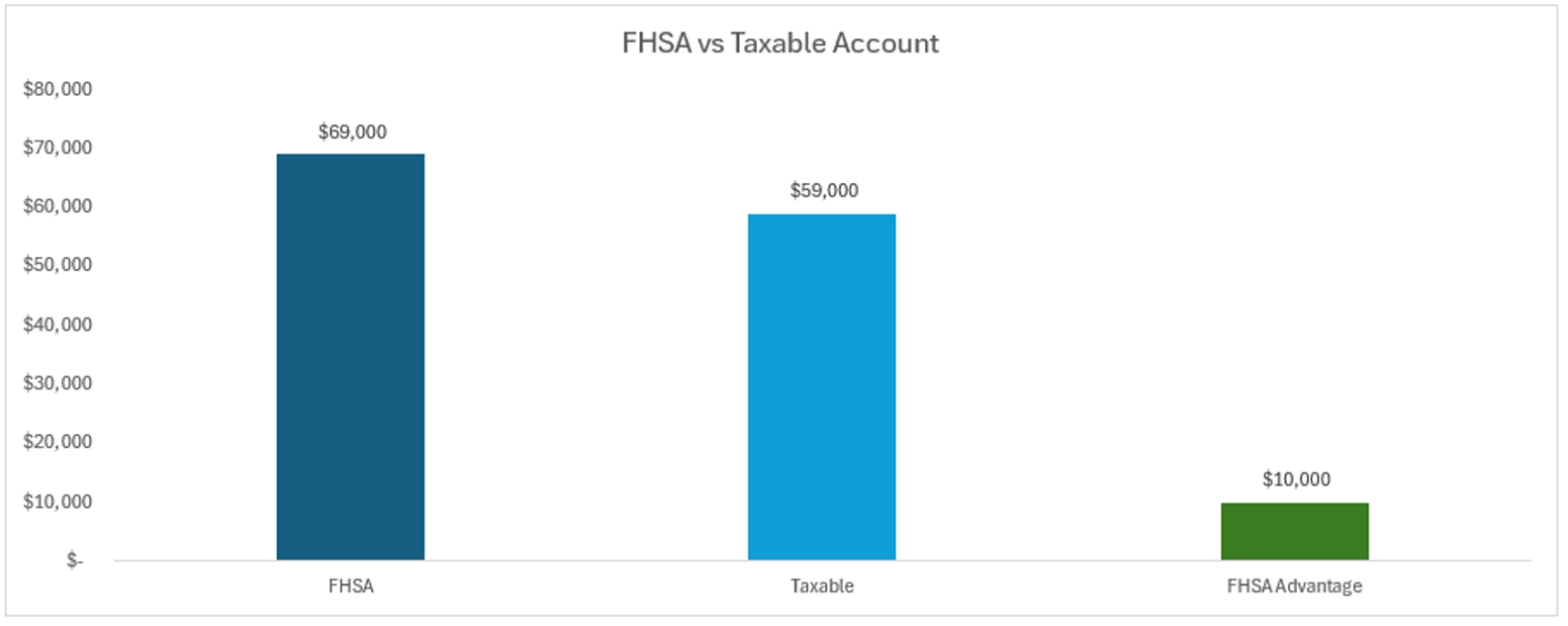
Total FHSA Advantage
- Tax‑free growth advantage: ~$10,000
- Tax deductions saved: ~$17,500
- Total benefit: ~$27,500
Same savings. Same investments. A very different outcome, simply because of where the money was saved.
The Lottery QuestionTM Five Minute Exercise
In last month’s newsletter issue, I shared our Lottery Question which is “If you won the lottery tomorrow, how would you change the way you spend your TIME?”
Attached to this month’s newsletter email, you will find our Five-Minute Lottery Exercise. It’s a four-step process to help turn your answer to the question into something more tangible.
The idea behind this exercise is to help people recognize their agency in making even small changes to bring them closer to their lottery life without needing to win.
Wills, Beneficiaries & Estate Planning Matter More Than Most People Realize
Nearly 48% of Canadians don’t have a Will and among those who do, many haven’t updated it in years. It’s understandable as estate planning feels distant, uncomfortable, and something to get to later. But even simple family situations can become complicated quickly without proper planning.
A Will, beneficiary designations, insurance, and tax strategies all work together. Missing even one can cause delays, unexpected taxes, or stress for the people you love most.
Here are some key areas that are often overlooked and why they matter.
1. Successor & Contingent Designations
Many Canadians hold meaningful wealth inside registered accounts like TFSAs, RRSPs, and RRIFs. How those assets transfer after death depends heavily on the designations you make.
Successor Holder / Successor Annuitant
- Applies to TFSAs (successor holder) and RRIFs (successor annuitant)
- Typically, your spouse or common-law partner
- They inherit the account itself, not just the money
- The tax shelter continues seamlessly in their name
Why it matters:
No disruption. No immediate tax. No probate. The account continues to grow exactly as before and your spouse can access funds immediately.
Beneficiary or Contingent Beneficiary
- Beneficiaries receive the value of the account, not the account itself
- This can trigger taxes at the estate level
- Contingent beneficiaries inherit only if the primary passes first
Why it matters:
If the wrong person is listed, or if no one is listed, assets can get tied up in probate for months, even when the funds are urgently needed.
A five-minute review can prevent months of delays.
2. Why Your Beneficiary Forms Matter as Much as Your Will
Many people assume updating their Will automatically updates beneficiary designations on registered accounts.
It doesn’t.
Beneficiary forms are legal instructions to financial institutions that are separate from your Will, and they override what your
Will says.
Outdated designations after:
- marriage
- divorce
- having children
- losing a loved one
…are very common estate planning mistakes.
A spouse can often be named as either a successor or a beneficiary, but the two options are taxed very differently. Choosing incorrectly can create unnecessary tax bills or delays.
Reviewing beneficiary forms each year is one of the simplest, highest-impact steps you can take.
3. Why Having a Will (and Keeping It Updated) Really Matters
Even a “simple” estate can take 3–6 months to probate. Without a Will, it can take longer and the distribution may not reflect your wishes.
A Will becomes even more important if:
- you own a home
- you have children
- you own a business
- you have blended families
- you have investments, insurance, or registered accounts
Many people think they don’t need one because everything will automatically go to their spouse. That’s not always true and even when it is, delays can create financial strain.
4. Practical Scenarios Most People Never Consider
Outstanding liabilities with dependents in the home
If you pass away while carrying a mortgage, property tax, or other debt, your family may rely on registered assets or insurance to cover costs. If beneficiaries or successors aren’t named, those funds can be locked in probate, unavailable when needed most.
Large tax liabilities
Insurance can be an efficient tool to cover taxes owing at death, especially for RRSP/RRIF-heavy estates, business owners, or a family cottage.
Family conflict and executor stress
An unclear or outdated plan can create confusion, disagreements, and unnecessary tension. Executors carry real legal responsibility and liability. They should know the role is coming and be prepared for what it involves.
5. Peace of Mind Starts with a Conversation
Estate planning is ultimately about protection for your wealth, your wishes, and the people you care about.
If you haven’t reviewed:
- your Will
- your beneficiary and successor designations
- your insurance coverage
- or your overall estate and tax plan
…in the last year or two, now is a great time to take another look.
A few small updates can make a world of difference during a difficult time. If you’re unsure where to start, I’m always happy to talk through your options.
In the News
The State of Cancer in Canada: 4 in 10 will receive a diagnosis in their lifetime – National Post
The cancer diagnosis numbers are jarring. The good news is that advances in treatment have significantly improved survival rates. But treatment brings a financial ripple in the form of time away from work, uncovered costs, and caregiving which adds up quickly.
This is where Critical Illness (CI) Insurance can play an important role by providing a lump sum payment upon diagnosis that can help reduce financial stress, so people can focus all their energy on recovering.
S&P 500 hits new all-time high as investors shrug off Iran war oil price spike – NBC News (April 15, 2026)
Amid the war in Iran, we have seen significant market volatility. On March 30, the S&P 50 had fallen to 6,316.91, down 9.8% from its January high. As I write this, the index is now at an all‑time high of 7,008.57.
This kind of swift reversal highlights just how volatile markets have been this year. We saw a similar pattern following President Trump’s tariff announcements last year, a sharp drop followed by a rapid rebound. Uncertainty remains, particularly around the war’s impact on global oil supply, economic growth, and inflation.
This is not a statement on where I believe markets are headed in the short term, but a reminder of how quickly narratives can change. By the time this newsletter lands in your inbox, conditions may look very different.
During periods like this, the most important discipline for investors is managing emotional responses, both fear (“I need to get out before things get worse”) and greed (“I need to make a bet because I think I know what comes next”). Focus instead on what you can control: maintaining appropriate diversification (remember how concentrated the S&P 500 is in just seven companies), sticking with your long‑term plan, and keeping automated contributions on track. Don’t let short‑term headlines drive emotional financial decisions.
Cash Gab Book of the Month
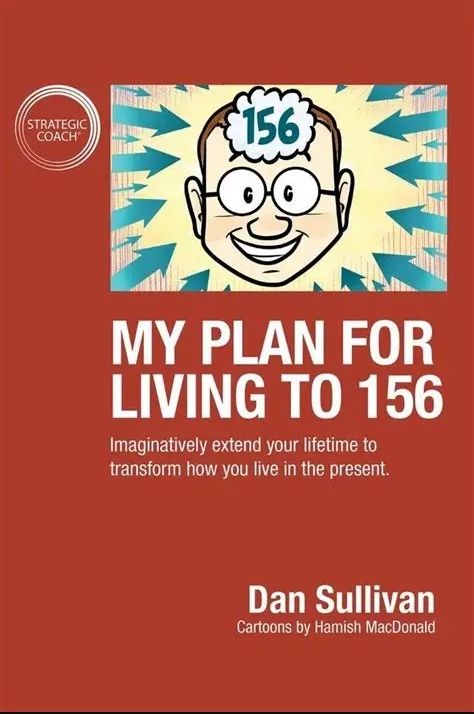
Book:My Plan for Living To 156
Author: Dan Sullivan
Summary: Dan argues that how long and how well you live is largely a mindset and strategy choice, not just genetics or medicine. The book is less about literally reaching 156 and more about adopting a long- time horizon way of thinking that improves decision-making, health, relationships, and purpose now. With advances in medicine, people are living longer. The question is how do we live longer, better?
One question that we (The Ross Group) believe we should all ask ourselves when it comes to “retirement planning” is “If you knew that you would live and be healthy until 105, how would you change or alter your retirement plan?”.
This book can act as a framework and idea generator to help answer that question.
The Ross Group: Who We Are

At Ross Group Wealth Advisors, we work with future-minded investors to keep them on track toward greater wealth. Through our unique approach to portfolio management and wealth planning, we deliver smart risk and tax strategies and guide sound decisions that secure their wealth and expand their lives.
What We Provide
We act as your financial quarterback, building comprehensive, long-term strategies, not quick fixes. Our wealth plans aim to minimize taxes and safeguard your financial health today and for the future.
We proactively review your portfolio and overall financial picture, update your wealth plan regularly, and ensure you stay aligned with your goals. We engage with your priorities, uncover opportunities, and challenge assumptions about what you can do and when.
Community Engagement
Join the wait list for an in-person Cash Gab Session:
What is a Cash Gab Session?
Cash Gab brings together peers in similar careers and life stages to share, listen, and learn about financial topics that matter to you. The goal is to build a community of like-minded, future-oriented people aiming to achieve financial freedom.